
Carnivals can bring residents, traders and voluntary groups together without demanding an extravagant budget. Careful route planning, shared resources, reusable decorations and local sponsorship can create a lively programme at manageable cost. The strongest community events focus spending on visible features while relying on local talent, volunteers and existing public spaces.
Carnival season gives UK towns a valuable chance to celebrate local identity, support traders and bring different generations together. Yet many organising committees must deliver an appealing event with limited grants, donations and volunteer time. The answer is careful planning rather than cutting every creative element. Music, costumes, workshops and reusable parade inflatables can provide colour and spectacle when spending is focused on features the whole crowd can see. A realistic route, clear responsibilities and early supplier discussions help prevent costly changes. By combining professional event elements with community participation, towns can produce a safe, welcoming carnival without placing excessive pressure on local budgets.
Starting With a Realistic Event Plan
Organisers should decide what the carnival must achieve before choosing attractions. A short parade with a strong central theme may deliver greater impact than a long programme filled with disconnected activities.
Set the route, duration and expected audience early. These decisions affect stewarding, road management, equipment, welfare facilities and insurance. A compact route may reduce infrastructure costs while keeping spectators close to the performances.
Create a contingency allowance within the budget. Weather changes, supplier requirements and safety adjustments can create expenses that were not obvious during initial planning.
Building the Programme Around Local Talent
Schools, dance groups, musicians, theatre clubs and community organisations can give the carnival a distinctive local character. Early invitations allow participants time to prepare costumes, music and displays without rushed spending.
Participation should remain voluntary and properly organised. Give each group clear information about timings, route length, supervision and access needs.
Local involvement can extend beyond the parade. Residents may contribute artwork, window displays or decorations, helping the event feel connected to the whole town rather than limited to one procession.
Sharing Materials Between Community Groups
Carnival decorations do not need to be discarded after one afternoon. Neutral banners, fabric panels, frames and signage can be stored and adapted for future events.
Organisers can ask nearby schools, charities and neighbouring towns whether useful equipment is available to borrow. Shared barriers, gazebos, radios and display materials may reduce repeated purchasing.
Before accepting borrowed equipment, confirm its condition, suitability and availability. Saving money is useful only when the item remains safe and appropriate for the planned setting.
Creating One Highly Visible Centrepiece
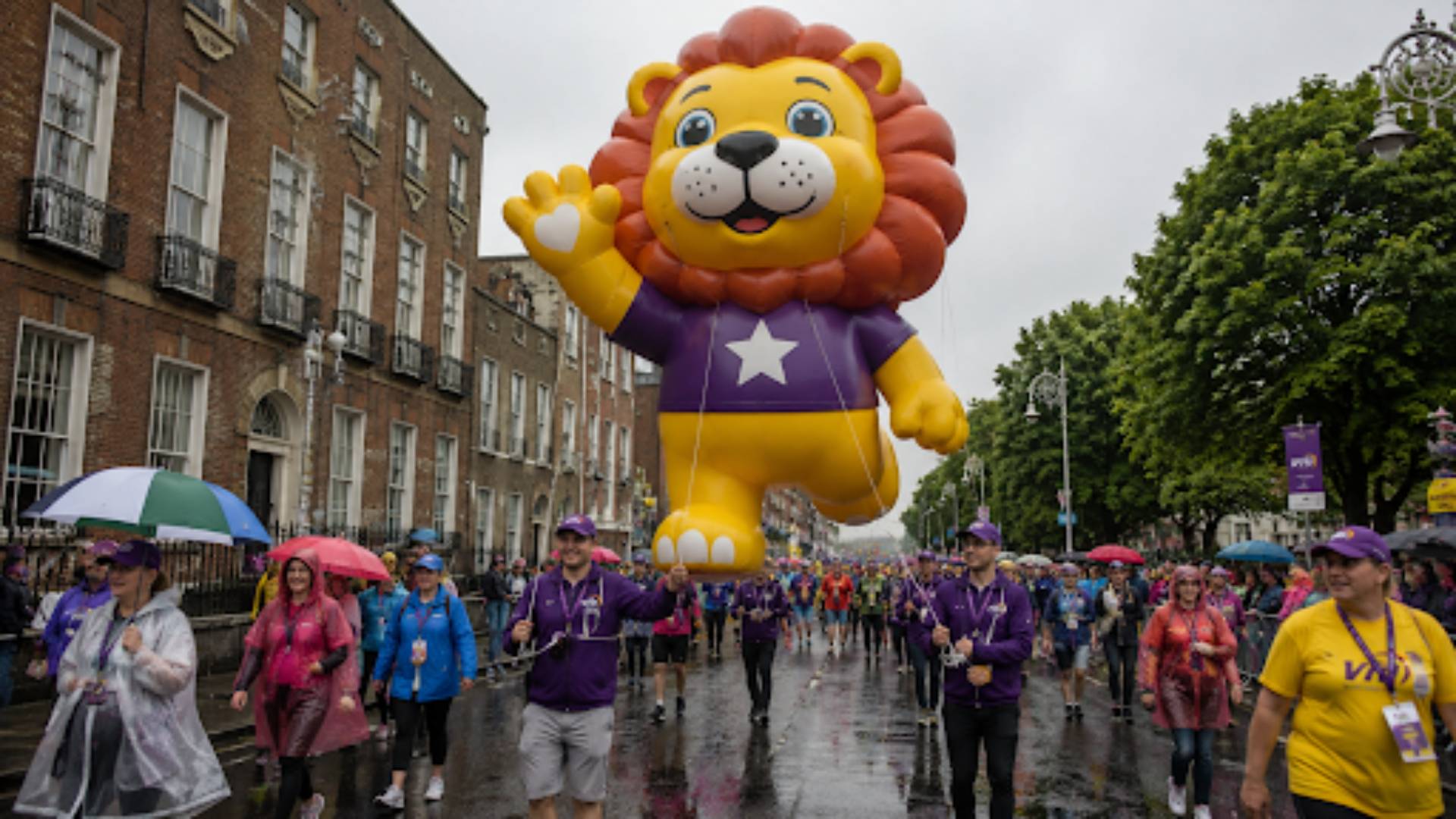
A limited budget often works harder when it funds one memorable focal point rather than several small decorations. A distinctive object visible above the crowd can help define the carnival theme and give the procession a clear visual identity.
Custom parade inflatables can be produced in different shapes, colours and designs to match a town, celebration or campaign. Helium-filled models can float above ground level, making them visible along busy parade routes.
Their size, inflation method, handling and secure operation require advance planning. Organisers should discuss the route, overhead hazards, weather, setup and crew requirements with the specialist supplier.
Securing Practical Local Sponsorship
Independent retailers, employers and community organisations may support a carnival when the proposal explains exactly what their contribution will fund.
Offer sensible recognition through programmes, approved signage or event publicity. Avoid covering every feature with competing logos, as excessive branding can weaken the community atmosphere.
Smaller businesses may provide materials, refreshments, printing or volunteer support instead of money. Record every contribution so the organising committee understands the event’s true cost and can plan future carnivals accurately.
Keeping the Route Compact and Accessible
A shorter route can reduce stewarding demands and make performances easier for families, children and older participants. It may also concentrate spectators near local shops and public areas.
Walk the proposed route before confirming it. Check road widths, corners, trees, overhead cables, slopes and access for emergency services. Large floating or mobile features need enough clearance to move safely.
The local authority should be contacted early about permissions, traffic management and any required road closures. Late applications can limit options and increase costs.
Planning for Reuse From the Beginning
Reusable event features offer better long-term value when they are cared for properly. Choose a theme that can return with updated colours, artwork or supporting costumes.
Inflatable displays intended for repeated use should be deflated, cleaned, inspected and stored according to professional guidance. Damage should be repaired before the next event rather than discovered during setup.
Keep an inventory after the carnival. Record ownership, storage location, condition and replacement value so equipment does not become lost between organising committees.
Treating Volunteers as a Core Resource
Volunteers can support stewarding, information points, participant coordination and preparation, but they still need clear training and supervision.
Assign named leaders to specific sections of the route. Provide written instructions, emergency contacts, breaks and suitable clothing guidance. No volunteer should be asked to operate specialist equipment without the required knowledge.
A short debrief after the carnival can identify problems while memories remain fresh. These lessons may save more money at the next event than any single purchasing decision.
To Bring It All Together
Reviving carnival season on a community budget depends on clear priorities. Organisers should begin with a manageable route, realistic audience expectations and a complete picture of safety and operating costs. Local performers, schools, traders and voluntary groups can then build a programme rooted in the town’s identity.
Shared materials and reusable decorations reduce waste, while focused sponsorship can cover specific costs without making the event feel overly commercial. One strong centrepiece may create more excitement than numerous minor features that spectators barely notice. Every major display must still be planned around weather, clearance, handling and secure setup.
Careful storage and a detailed post-event inventory will make the next carnival easier to fund. When professionally designed parade inflatables are selected with reuse in mind, they can become familiar visual assets that return across several seasons, helping towns create colour, visibility and shared celebration without rebuilding the entire event from the beginning each year.