
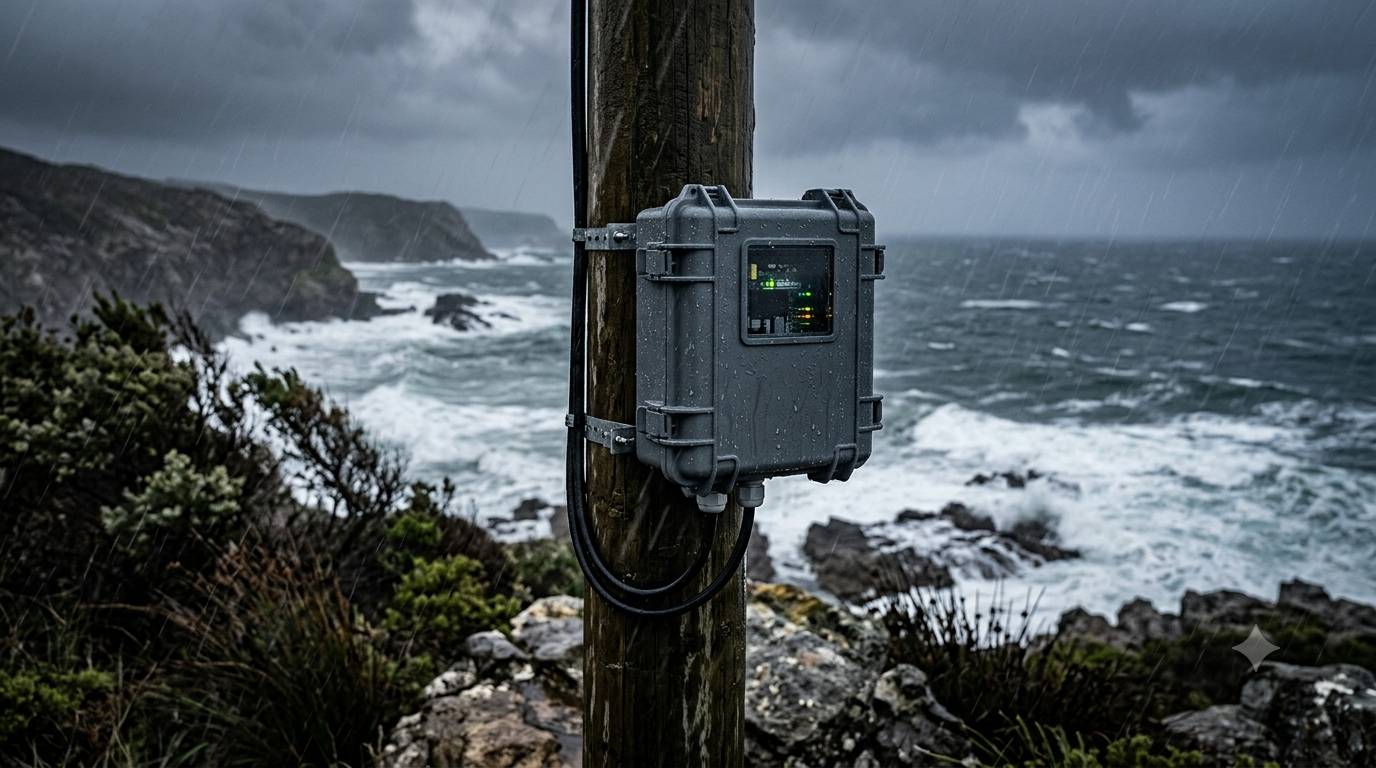
Reliable connectivity is essential for modern businesses, industrial operations, public services, security systems, and smart infrastructure. Yet networking equipment installed outside faces conditions that indoor devices rarely encounter. Rain, dust, humidity, sunlight, temperature changes, and physical impact can all affect performance and shorten equipment life. Outdoor router enclosures provide an important layer of protection, helping networking hardware operate consistently despite demanding conditions. Selecting the right enclosure can therefore contribute to network reliability, lower maintenance requirements, and stronger long-term infrastructure performance.
An Outdoor router enclosure provides a secure housing solution for networking equipment exposed to the elements, and specialist guidance from https://www.gttwireless.com can help organisations identify suitable protection for their installations. A well-specified enclosure helps shield routers, switches, power supplies, and related components from moisture, dust, ultraviolet exposure, and accidental contact. The result is a more controlled environment in which sensitive electronics can operate with greater reliability.
Why Outdoor Routers Need Protection
Outdoor routers support connectivity in locations where conventional indoor networking equipment cannot be installed. They may be used at construction sites, transport facilities, agricultural locations, utilities, security installations, and remote communication points.
Although outdoor routers are built for demanding applications, surrounding environmental conditions can still create risks. Water ingress may cause corrosion or electrical faults, while airborne dust can accumulate around components. Prolonged exposure to sunlight may also degrade unsuitable materials and increase internal temperatures.
Common Environmental Risks
Outdoor networking equipment can be affected by:
- Rain and water ingress
- Dust and airborne particles
- High humidity and condensation
- Extreme heat and cold
- Ultraviolet radiation
- Corrosive coastal conditions
- Accidental impact or vandalism
A protective enclosure helps address these risks while providing a secure installation point.
Weather Resistance and Ingress Protection
One of the most important considerations for an outdoor enclosure is its ability to resist water and dust. Ingress protection ratings provide a useful way to understand how effectively an enclosure protects internal equipment from environmental particles and moisture.
The appropriate rating depends on the installation location and expected exposure. Equipment positioned in a sheltered external area may have different requirements from hardware installed in an exposed industrial or coastal environment.
Choosing Suitable Construction Materials
Materials play an important role in long-term performance. Weather-resistant plastics, coated metals, and corrosion-resistant materials can provide effective protection depending on the application.
A suitable enclosure should also incorporate reliable seals, secure access panels, and carefully managed cable entry points. These details help prevent moisture and contaminants from reaching sensitive electronics.
Managing Heat Inside the Enclosure
Weather protection must be balanced with thermal management. Electronic equipment produces heat during operation, and direct sunlight can increase internal temperatures considerably.
If heat cannot escape effectively, routers and other components may operate outside their recommended temperature range. This can affect performance and potentially shorten component lifespan.
Practical Thermal Management Options
Depending on the installation, thermal control may involve:
- Passive ventilation
- Air circulation systems
- Cooling fans
- Thermal insulation
- Sun shields
- Heat dissipation materials
The appropriate solution depends on equipment power consumption, enclosure size, ambient temperature, and exposure to direct sunlight.
Supporting Wireless Connectivity
Protecting the networking equipment is only part of an effective outdoor communication system. Antenna positioning, cable routing, power management, and signal conditions also influence performance.
For installations using an omnidirectional antenna, specialist solutions from https://www.gttwireless.com can support the wider infrastructure required for dependable outdoor connectivity. Omnidirectional antennas are useful where coverage is required around a central installation, making them suitable for applications such as industrial sites, public areas, and wireless communication networks.
Security and Physical Protection
Outdoor network equipment may be installed in locations accessible to members of the public, contractors, or other personnel. Physical security therefore deserves attention alongside environmental protection.
Lockable enclosures can help restrict unauthorised access and reduce the risk of tampering. Strong mounting systems can also help protect equipment from accidental movement or impact.
For remote installations, secure enclosure construction can provide an additional safeguard for routers, switches, power supplies, and network accessories.
Key Features to Consider
Before selecting an enclosure, organisations should assess the specific requirements of the installation.
Important features may include:
- Appropriate ingress protection rating
- Weather-resistant construction
- Corrosion resistance
- Secure locking mechanisms
- Effective cable management
- Suitable thermal control
- Adequate internal space
- Flexible mounting options
- UV-resistant finishes
Selecting features based on actual site conditions helps prevent unnecessary expenditure while ensuring the equipment receives appropriate protection.
Planning for Installation and Maintenance
Good enclosure selection should consider how equipment will be installed, accessed, inspected, and upgraded. An enclosure that is difficult to access may increase maintenance time and make routine servicing less convenient.
Internal mounting arrangements should provide sufficient space around equipment and allow cables to be organised safely. Planning for future upgrades can also prevent the need for premature enclosure replacement.
Regular inspections remain useful even with high-quality protection. Checking seals, cable entries, mounting points, ventilation components, and signs of corrosion can help identify potential problems before they affect network performance.
Applications Across Different Industries
Outdoor router enclosures support a wide range of connectivity applications. Telecommunications providers can use them to protect network hardware at remote locations, while industrial operators may require protected wireless equipment across large sites.
Other applications include CCTV networks, traffic monitoring, smart city systems, agricultural technology, renewable energy facilities, transport infrastructure, and temporary construction networks.
Each environment presents different risks, making application-specific enclosure selection essential.
Protecting Connectivity Long Term
Outdoor routers are valuable components of modern communication infrastructure, but their reliability depends partly on the environment in which they operate. Suitable enclosures help protect against moisture, dust, temperature extremes, UV exposure, and physical interference. Effective thermal management, secure mounting, appropriate ingress protection, and sensible maintenance further strengthen performance. By selecting an enclosure based on actual site conditions and equipment requirements, organisations can protect their networking investment, reduce avoidable downtime, and support dependable outdoor connectivity for years to come.
Building Reliable Outdoor Networks
Outdoor router enclosures provide essential protection for networking equipment operating in demanding environments. By addressing weather exposure, heat, dust, moisture, physical security, and maintenance access, they help create a safer and more controlled operating environment. Combining appropriate enclosure protection with reliable routers, antenna systems, cable management, and regular inspections can improve network resilience. As outdoor connectivity continues expanding across industries, investing in suitable protection is a practical step towards maintaining stable communications and extending the useful life of critical networking equipment.