


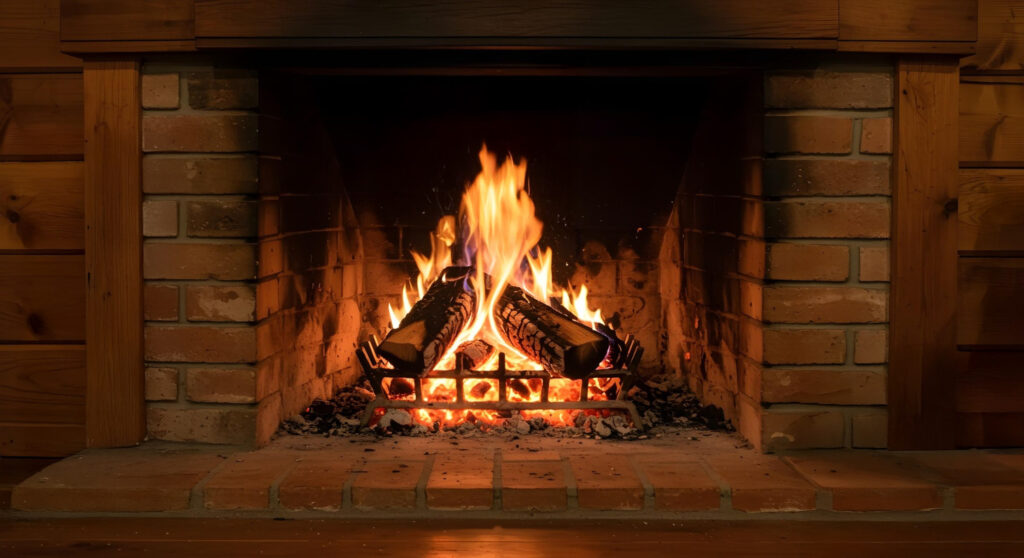
An indoor fire pit can transform a living space, creating a warm, inviting atmosphere that encourages relaxation and conversation. Whether you’re renovating your home or designing a new living area, a fire feature often becomes a striking focal point. However, before installing one, it’s essential to think beyond aesthetics. Safety, ventilation, available space, and fire protection all play a crucial role in ensuring your indoor fire pit is both practical and enjoyable.
Taking the time to assess these factors before installation can help you avoid costly mistakes while creating a comfortable environment for your household.
Consider the Available Space
The first thing to evaluate is where the fire pit will be located. While many indoor fire pits are designed with compact living spaces in mind, they still require adequate clearance from furniture, curtains, rugs, and other combustible materials.
The room should allow people to move around comfortably without feeling crowded by the feature. Positioning the fire pit in a central location may enhance the room’s appearance, but it should never obstruct walkways or emergency exits.
You should also consider the ceiling height and the surrounding finishes, particularly if the installation involves additional heat output.
Understand the Fuel Type
Indoor fire pits come with different fuel options, including bioethanol, gas, and electric alternatives. Each has its own maintenance requirements, installation considerations, and safety guidelines.
Gas-powered units often require professional installation and appropriate pipework, while bioethanol models offer greater flexibility but still require careful handling of fuel. Electric options provide the visual appeal of flames without combustion, making them suitable for many modern homes.
Choosing the right fuel depends on your home’s layout, budget, and the level of maintenance you’re comfortable with.
Check Ventilation Requirements
Proper ventilation is one of the most important aspects of indoor fire pit installation. Depending on the type of fire feature you choose, combustion can produce heat, moisture, or gases that must be managed effectively.
Rooms with poor airflow may not be suitable for certain types of indoor fire pits. Always review the manufacturer’s recommendations and ensure your property meets the necessary ventilation standards before proceeding.
Professional advice is worthwhile if you’re unsure whether your chosen location provides sufficient airflow.
Prioritise Fire Safety
While indoor fire pits are designed with safety in mind, they still involve an open flame or heat source. Every homeowner should have suitable fire safety measures in place before installation.
It’s worth researching are indoor fire pits safe so you understand the potential risks, recommended precautions, and best practices for everyday use. Learning about safe placement, fuel handling, and maintenance can significantly reduce the likelihood of accidents.
Smoke alarms, carbon monoxide detectors where appropriate, and accessible fire extinguishers should also form part of your home’s overall safety strategy.
Think About Fire Protection Systems
Many homeowners focus solely on the fire feature itself but overlook the importance of protecting the wider property.
Modern fire suppression technologies provide an additional layer of security, particularly in homes where fireplaces, wood-burning appliances, or indoor fire features are regularly used. Installing a reliable water mist system can help enhance fire protection while minimising potential water damage compared to traditional sprinkler systems. These advanced systems are increasingly being considered in both residential and commercial properties where effective fire safety is a priority.
Planning for prevention is just as important as choosing the right fire pit.
Review Local Building Regulations
Depending on the type of installation and your location, building regulations may apply. Gas installations, structural modifications, or ventilation changes often require compliance with relevant standards.
Using qualified installers ensures the work is completed safely and in accordance with current regulations. They can also advise on any permissions or inspections that may be required before the fire pit is put into use.
Ignoring these requirements can lead to expensive alterations later and may even affect home insurance policies.
Consider Ongoing Maintenance
Every indoor fire pit requires routine maintenance to keep it operating safely and efficiently.
Cleaning schedules vary depending on the fuel type. Gas burners should be inspected regularly, bioethanol units need residue removed, and electric models require occasional cleaning of components and decorative elements.
Routine inspections allow you to identify signs of wear before they become larger issues, extending the lifespan of your investment while maintaining safe operation.
Match the Design to Your Lifestyle
An indoor fire pit should complement both your interior design and your daily routine. Families with young children or pets may prefer enclosed or protected designs, while homeowners who entertain regularly might choose larger statement pieces.
Think about how often you’ll use the fire pit throughout the year and whether it fits naturally into the way you use the space. Selecting the right style isn’t simply about appearance it should also support comfort, practicality, and peace of mind.
Conclusion
Adding an indoor fire pit can bring warmth, elegance, and character to your home, but careful planning is essential before installation. Evaluating your available space, ventilation, fuel choice, maintenance requirements, and overall fire safety will help you make an informed decision that suits your property.
By considering every aspect of the installation, not just the visual appeal, you’ll create a feature that can be enjoyed safely for years to come while ensuring your home remains comfortable, functional, and well protected.