


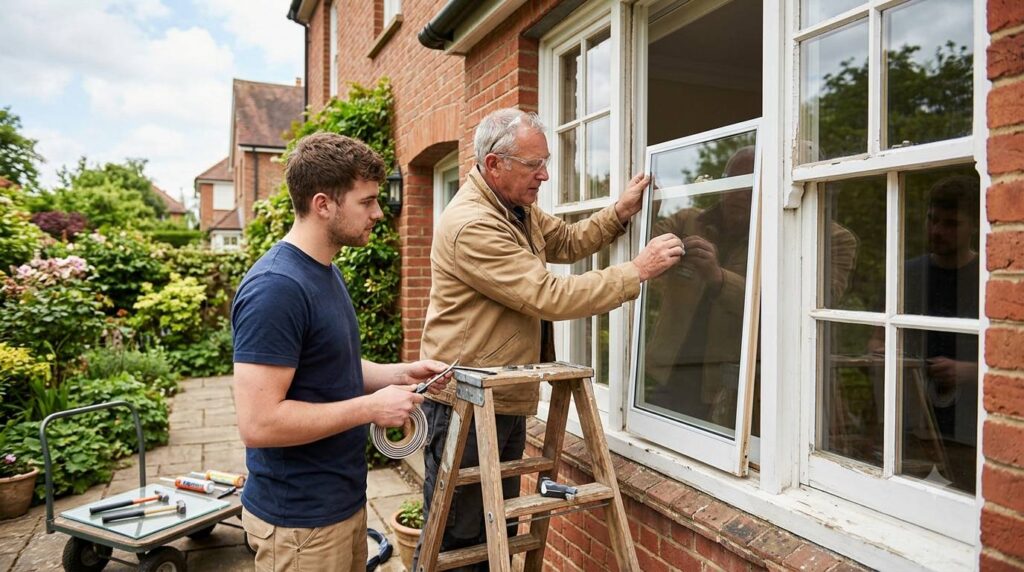
Thinking of replacing your windows? You may not need a full frame swap. Many issues only require a new sealed unit. Discovering when replacing the glass offers a smarter, cheaper and less disruptive fix that restores clarity, warmth and performance without the upheaval of new frames.
When misted panes, cracked glass or draughts appear, the automatic reaction is often to order brand-new windows. Yet in a large number of cases that step proves unnecessary. If the frames remain solid and true, professional double glazing glass replacements can restore performance, appearance and energy efficiency at a fraction of the cost and disruption. Understanding the difference between swapping the sealed unit and replacing the entire frame helps homeowners make a clear-headed decision that protects both their budget and their property.
Understanding Unit Replacement Versus Full Frame Work
A double-glazed window consists of two (or more) panes of glass sealed together with a spacer and gas fill, held inside a frame of uPVC, timber or aluminium. The sealed unit is the part that fails most often. Moisture seeps past the seals, argon escapes, or a pane cracks. The frame, by contrast, may still be structurally sound, operating smoothly and free from warping or rot.
Unit replacement involves carefully removing the glazing beads, extracting the failed sealed unit and fitting a new made-to-measure one. The frame stays exactly where it is. Full frame replacement means removing the entire window, including the frame, and installing a complete new assembly. The two approaches differ sharply in cost, time and disruption. Expert glaziers will always assess the frame first before recommending the right route.
When Replacing Only the Unit Is the Sensible Choice
Most unit failures occur while the surrounding frame remains perfectly serviceable. Common triggers include:
- Condensation or misting between the panes
- A single cracked or shattered pane
- Loss of thermal performance caused by failed seals
If the frame opens and closes cleanly, locks securely and shows no signs of distortion, unit replacement restores clarity and insulation without touching the surrounding structure. Modern replacement units can incorporate low-emissivity coatings and warm-edge spacers, often matching or exceeding the performance of the original glass. The work is typically completed with minimal mess and, in many cases, on a single visit once the new unit arrives.
Signs That the Frames Are Still Sound
A quick visual and operational check reveals a great deal. Look for frames that sit square in the opening, show no soft or crumbling sections (especially on timber), and keep their shape in both hot and cold weather. Handles, hinges and locks should operate without forcing. Gaps around the frame that admit draughts can often be solved with new weather seals rather than a complete replacement. When these conditions are met, double glazing glass replacements deliver an effective long-term solution while avoiding the higher expense and longer lead times of full window swaps.
Key Benefits of Choosing Unit Replacement
Opting for a new sealed unit brings several practical advantages. Cost is usually significantly lower than full frame work. Installation is faster and far less disruptive, often requiring only the removal and refitting of beads. There is less waste, which appeals to homeowners who prefer a more sustainable approach. Energy efficiency improves immediately once a modern unit is in place, helping to reduce heat loss and lower heating bills. Finally, the existing frame colour and style remain unchanged, preserving the look of the property.
How the Professional Process Works
A qualified glazier begins with a careful inspection of both the unit and the frame. Accurate measurements are taken so the replacement unit is manufactured to the exact size and specification required. Temporary boarding can secure the opening if an emergency arises while the new unit is being made. On the fitting day the old unit is removed, the rebate cleaned, the new unit bedded correctly and the beads replaced. A quality installation includes proper compression and sealing so the unit performs for many years. Most reputable firms back the work with a meaningful guarantee.
Practical Tips for Making the Right Decision
Start by arranging a no-obligation assessment from an experienced glazier. Ask specifically whether the frames are sound enough to accept new units. Compare quotes for unit-only work against full replacement so the cost difference is clear. Consider upgrading the glass specification at the same time—low-E coatings or acoustic laminates can be fitted into existing frames with little extra disruption. Act promptly once misting or cracking appears; prolonged failure reduces insulation and can allow further moisture into the frame. Keep the frames clean and the moving parts lubricated so they continue to support the new units effectively.
Final Thoughts
Not every window problem demands a complete new installation. When frames remain straight, strong and functional, professional double glazing glass replacements restore vision, warmth and weather-tightness without the cost or upheaval of full frame replacement. The key is accurate assessment: a failed sealed unit is common, while structural frame failure is less frequent. By choosing the right solution you protect your budget, reduce waste and regain comfortable, clear windows in a fraction of the time. Speak to a specialist glazier who can measure, manufacture and fit high-quality units into your existing frames, delivering a lasting result that keeps your home looking and performing at its best.