


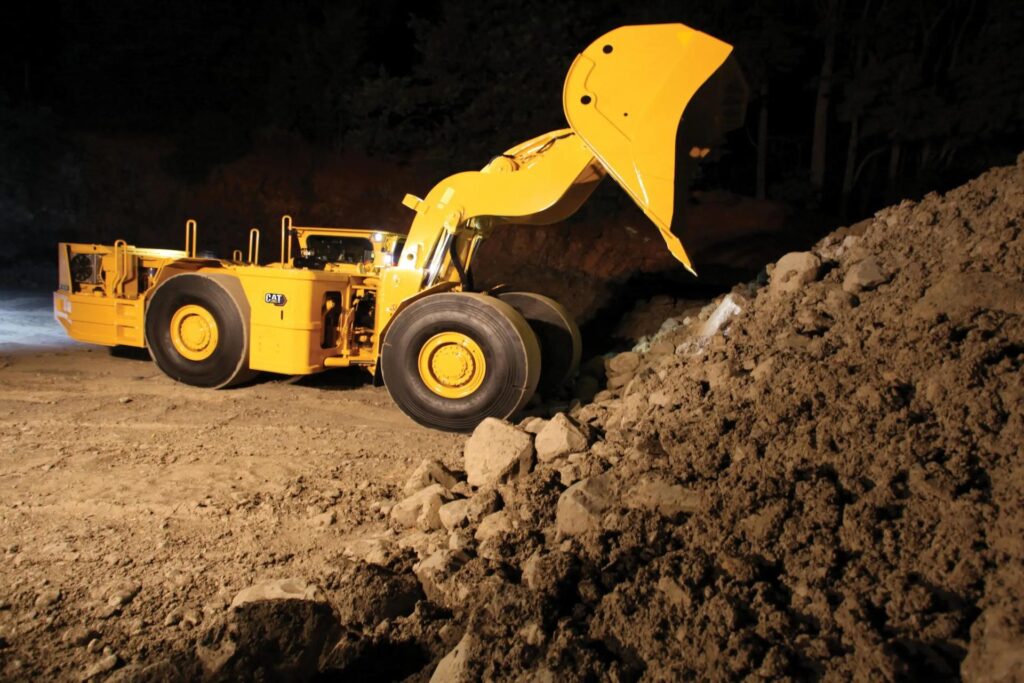
Underground mining is a complex and carefully coordinated process that depends on specialised machinery to maintain productivity and safety. Among the most essential pieces of equipment are Load-Haul-Dump (LHD) vehicles. These machines are designed to operate in confined spaces, efficiently moving broken rock from the extraction point to designated haulage areas.
While crushing equipment, such as a cone crusher plays a critical role in processing material above or below ground, LHD vehicles ensure that extracted ore reaches these systems without delay. Their contribution bridges the gap between excavation and processing, making them indispensable in modern underground mining operations.
What Are Load-Haul-Dump Vehicles?
Load-Haul-Dump vehicles, often referred to simply as LHDs, are specialised loaders built for underground use. Unlike others, they are compact, highly maneuverable, and designed to operate in narrow tunnels with limited ventilation and visibility.
Their primary function is straightforward:
- Load blasted rock from the mine face
- Haul it through underground passages
- Dump it into ore passes, trucks, or crushers
Despite this simple concept, the role of LHDs is far more nuanced, as they directly influence operational efficiency, cost control, and safety standards.
The Importance of LHD Vehicles in Mining Operations
In underground environments, where space is restricted and conditions can be unpredictable, equipment reliability is crucial. LHD vehicles are engineered to perform consistently under these demanding circumstances.
Their importance can be understood through several key contributions:
Maintaining Continuous Material Flow
Mining operations rely on a steady movement of ore. Any disruption in transport can lead to bottlenecks further down the production chain. LHDs ensure that material is quickly removed from the face, preventing delays and allowing drilling and blasting cycles to continue without interruption.
Supporting Crushing and Processing Systems
After extraction, ore must be processed efficiently. LHD vehicles transport material to systems such as a cone crusher, where size reduction begins. Without reliable haulage, even the most advanced crushing equipment cannot operate at full capacity.
Enhancing Operational Flexibility
Modern mines often work across multiple headings simultaneously. LHDs can be redeployed quickly between areas, allowing operators to adapt to changing production priorities without significant downtime.
Key Features That Make LHD Vehicles Effective
LHD vehicles are designed with specific features that allow them to perform effectively in underground conditions. These design elements distinguish them from surface loaders and contribute to their efficiency.
Compact and Robust Design
Their low-profile structure enables operation in tunnels with limited height clearance. At the same time, reinforced frames and durable components allow them to handle heavy loads and rough terrain.
Advanced Steering Systems
Articulated steering allows LHDs to navigate tight corners and confined spaces with ease. This is essential for maintaining productivity in narrow mine passages.
Power and Performance
LHDs are equipped with powerful engines or electric drive systems that provide the torque needed to move heavy loads. Electric models are increasingly popular due to their lower emissions and reduced ventilation requirements.
Operator Safety and Comfort
Modern LHDs include enclosed cabins, improved visibility, and ergonomic controls. These features help reduce operator fatigue and improve overall safety.
Types of Load-Haul-Dump Vehicles
Mining operations vary widely, and LHD vehicles are available in different configurations to suit specific needs.
Diesel-Powered LHDs
These are traditionally the most common type. They offer high power and are suitable for operations where ventilation systems can handle emissions effectively.
Electric LHDs
Battery-electric LHDs are becoming increasingly popular due to their environmental benefits. They produce no exhaust emissions and generate less heat, reducing ventilation costs.
Automation-Ready LHDs
Some modern LHDs are designed for remote or autonomous operation. These machines can be controlled from the surface, improving safety in hazardous areas.
Benefits of Using LHD Vehicles
The advantages of LHD vehicles go beyond simple material handling. Their impact can be seen across multiple aspects of mining operations.
- Improved productivity: Faster loading and hauling cycles reduce downtime
- Enhanced safety: Reduced need for manual handling in dangerous areas
- Cost efficiency: Optimised fuel or energy use lowers operational expenses
- Versatility: Suitable for various mining methods and ore types
- Reduced environmental impact: Electric models minimise emissions underground
These benefits highlight why LHD vehicles remain a core component of underground mining systems.
Integration with Other Mining Equipment
LHD vehicles do not operate in isolation. Their effectiveness depends on seamless integration with other equipment and processes.
Coordination with Drilling and Blasting
Once blasting is complete, LHDs are the first machines to enter the area. Quick removal of broken rock allows the next cycle of drilling to begin without delay.
Connection to Haulage Systems
LHDs may transfer material directly to underground trucks or conveyor systems. In some operations, they dump ore into passes that feed crushing systems.
Feeding Crushing Equipment
Efficient loading and transport ensure a consistent supply of material to processing equipment, including a cone crusher. This coordination helps maintain steady production rates and prevents costly interruptions.
Challenges and Considerations
While LHD vehicles offer many advantages, their use also involves certain challenges that must be managed carefully.
Maintenance Requirements
Operating in harsh underground conditions can lead to wear and tear. Regular maintenance is essential to prevent breakdowns and ensure reliability.
Operator Training
Proper training is crucial for safe and efficient operation. Skilled operators can maximise productivity while minimising risks.
Ventilation and Energy Use
Diesel-powered LHDs require adequate ventilation to manage emissions. Electric alternatives reduce this burden but require charging infrastructure.
The Future of LHD Technology
The mining industry is evolving rapidly, and LHD vehicles are adapting to meet new demands. Automation, electrification, and data integration are shaping the next generation of equipment.
Autonomous LHDs, for example, can operate continuously with minimal human intervention. This not only improves efficiency but also enhances safety by reducing exposure to hazardous environments.
Battery technology is also advancing, making electric LHDs more practical for a wider range of operations. As sustainability becomes a priority, these innovations are likely to play an increasingly important role.
Conclusion
Load-Haul-Dump vehicles are fundamental to the success of underground mining operations. By efficiently moving material from the extraction point to processing systems, they ensure that every stage of the mining process runs smoothly.
Their ability to operate in confined spaces, adapt to changing conditions, and integrate with equipment such as a cone crusher makes them indispensable. As technology continues to evolve, LHD vehicles will remain at the centre of efforts to improve safety, productivity, and sustainability in underground mining.