


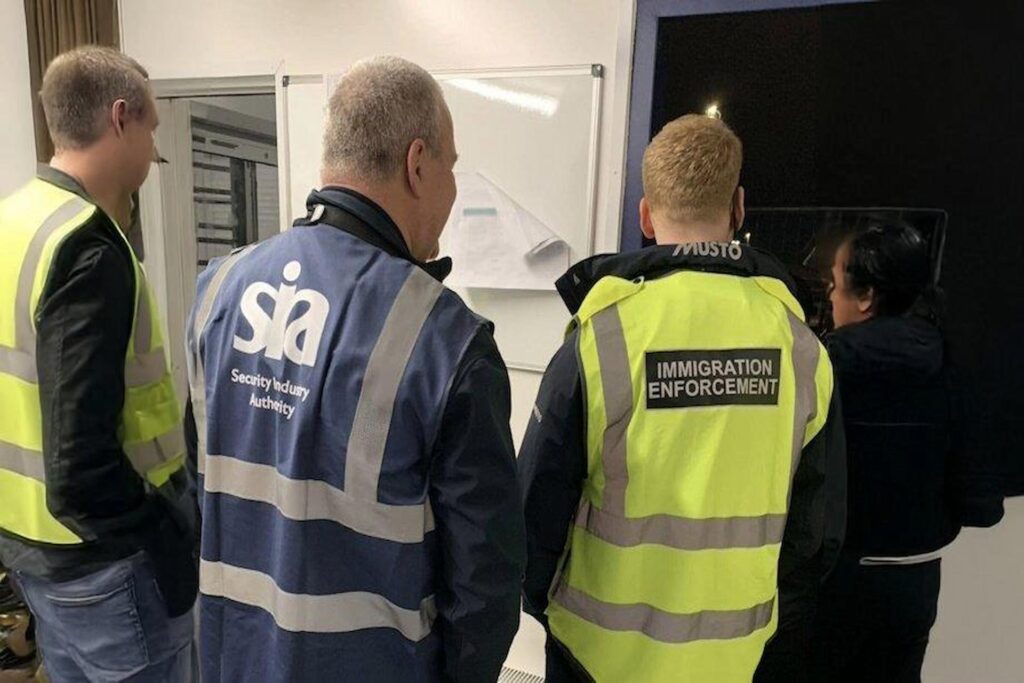
Security services play a critical role in protecting people, property, and assets across the UK. Whether it’s safeguarding commercial premises, managing crowd safety, or providing on-site protection, professional security companies operate within a structured legal framework. At the centre of this system is the Security Industry Authority (SIA), the body responsible for regulating the private security industry.
Understanding how licensing and regulation work is essential for businesses seeking reliable services such as London manned guarding, as well as for individuals considering a career in the sector.
What Is the SIA and Why Does It Matter?
The SIA is a government-backed organisation established under the Private Security Industry Act 2001. Its primary role is to ensure that security services across the United Kingdom meet consistent standards of professionalism, competence, and accountability.
Rather than simply issuing licences, the SIA sets the benchmark for how security personnel and companies should operate. This includes defining training requirements, enforcing conduct standards, and taking action against non-compliance.
For clients, this provides reassurance. When hiring services such as London manned guarding, working with SIA-approved providers means engaging professionals who meet strict legal and ethical standards.
Individual Licensing: The Foundation of Regulation
Every frontline security professional in the UK must hold a valid SIA licence. This applies to roles such as:
- Security guards
- Door supervisors
- CCTV operators
- Close protection officers
To obtain a licence, applicants must go through a structured process:
1. Identity and Background Checks
The SIA conducts thorough identity verification and criminal record checks. This ensures that individuals working in security roles are trustworthy and suitable for the responsibility.
2. Approved Training
Candidates must complete SIA-approved training courses relevant to their role. These courses cover essential areas such as conflict management, emergency procedures, and legal responsibilities.
3. Application and Approval
Once training is complete, applicants submit their licence application. Only those who meet all requirements are granted permission to work in the industry.
This process ensures that anyone working in roles like London manned guarding is properly trained, vetted, and accountable.
Business Regulation: The Approved Contractor Scheme
While individual licensing is mandatory, security companies themselves can also choose to be assessed under the SIA’s Approved Contractor Scheme (ACS). This is a voluntary programme, but it carries significant value.
What the ACS Covers
The scheme evaluates businesses across several areas, including:
- Operational effectiveness
- Staff training and welfare
- Customer service standards
- Compliance with legal obligations
Companies that meet the required standards are awarded Approved Contractor status, signalling a higher level of professionalism.
Why It Matters for Clients
Choosing an ACS-accredited provider offers several advantages:
- Confidence in service quality
- Assurance of ethical practices
- Greater accountability and transparency
For organisations seeking reliable protection services, this accreditation acts as a trusted benchmark.
Compliance and Ongoing Monitoring
Licensing is not a one-time process. The SIA actively monitors the industry to ensure ongoing compliance.
Regular Inspections
Approved contractors may be assessed periodically to confirm they continue to meet standards. These assessments review both operational performance and internal processes.
Enforcement Actions
If individuals or companies fail to comply with regulations, the SIA has the authority to:
- Revoke licences
- Issue warnings or fines
- Prosecute serious breaches
This ongoing oversight ensures that standards are maintained across the industry.
The Role of Training and Professional Development
Training is not just a requirement for obtaining a licence—it is a continuous expectation. The security landscape evolves, and professionals must adapt to new risks and responsibilities.
Core Training Areas
Security personnel are trained in:
- Conflict resolution and communication
- Emergency response procedures
- Legal powers and limitations
- Public safety awareness
Continuous Improvement
Many companies invest in ongoing development to enhance staff skills. This may include advanced training in risk assessment, customer interaction, or specialist security services.
A well-trained workforce not only improves safety outcomes but also strengthens trust between clients and providers.
Legal Responsibilities of Security Companies
Security companies in the UK must operate within a broader legal framework beyond SIA regulation. This includes compliance with:
- Employment law
- Health and safety regulations
- Data protection legislation
Duty of Care
Companies have a responsibility to ensure the safety of both their staff and the public. This includes providing appropriate training, equipment, and supervision.
Transparency and Accountability
Clear communication, proper documentation, and ethical conduct are essential. Businesses must be able to demonstrate that their operations meet legal and professional standards at all times.
Why Regulation Benefits the Industry
Strong regulation is not just about control—it strengthens the entire security sector.
For Clients
- Greater confidence in service providers
- Reduced risk of misconduct
- Clear standards for quality and professionalism
For Security Professionals
- Defined career pathways
- Recognition of skills and qualifications
- Improved working conditions
For the Public
- Enhanced safety and trust
- Consistent standards across services
- Greater accountability in high-risk environments
Regulation ensures that security services are not only effective but also responsible and reliable.
Choosing a Licensed Security Provider
When selecting a security company, it is important to look beyond basic service offerings.
Key Factors to Consider
- SIA licensing for all frontline staff
- ACS accreditation or equivalent quality assurance
- Clear operational processes and communication
- Strong reputation and proven experience
Working with a properly regulated provider ensures that security measures are both effective and compliant with UK standards.
Conclusion
The UK’s approach to regulating the private security industry is structured, thorough, and designed to protect everyone involved. Through licensing, training, and ongoing oversight, the SIA ensures that both individuals and companies meet high standards of professionalism and accountability.
For businesses and organisations, understanding this framework makes it easier to choose reliable providers and maintain confidence in the services they receive. For professionals, it establishes a clear path for entering and progressing within the industry.
Ultimately, strong regulation creates a safer, more trustworthy environment—one where security services deliver real value while operating with integrity and responsibility.